Category: Firewood

Can Firewood Get Wet? How Rain and Snow Affect Seasoned Wood

Can Firewood Get Wet? How Rain and Snow Affect Seasoned Wood

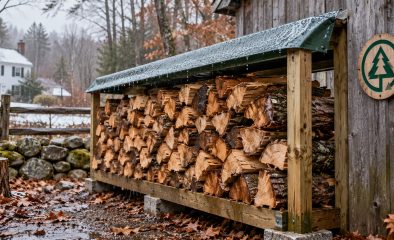
Yes, seasoned firewood can get wet without becoming unusable. Rain and snow often add moisture to the outer surface of properly seasoned logs without immediately reversing months of drying. However, prolonged exposure, poor airflow, and ground contact can allow wood to absorb additional moisture. Wet firewood should be allowed to dry before burning, and the […]
Creosote Buildup Prevention: How to Test Firewood Moisture and Burn Safely

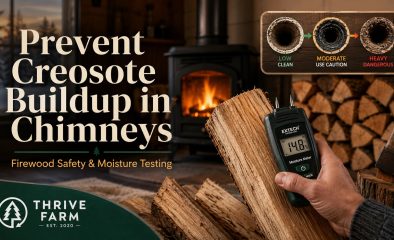
The best way to reduce creosote buildup in a chimney is to burn properly dried firewood, maintain strong combustion, avoid smoldering fires, and have the chimney inspected regularly. At Thrive Farm, we recommend checking firewood with a firewood moisture meter before bringing it to the stove or fireplace. The U.S. EPA recommends wood at 20% […]

How to Stack and Season Firewood for the Best Burn

A great fire starts long before the first match is struck. It starts with dry, properly stacked firewood that has enough airflow, sun exposure, and time to season the right way. For homeowners preparing for cold Connecticut nights, knowing how to stack firewood can make the difference between a clean, hot burn and a smoky, […]

The Ultimate Guide on How to Burn Firewood in a Fireplace

A crackling fireplace conjures up images of warmth, coziness, and a soothing ambiance during chilly evenings. However, effectively burning firewood in a fireplace is an art that requires a blend of knowledge, preparation, and technique. In this comprehensive guide, we will walk you through the essential steps and considerations for achieving a safe, efficient, and […]

Stacking and Storage of Firewood: A Comprehensive Guide

Introduction The efficient stacking and storage of firewood is a crucial aspect of maintaining a functional and aesthetic fireplace or wood-burning stove setup. Properly stacked and stored firewood ensures a steady supply of dry and seasoned wood, which in turn leads to easier igniting, efficient combustion, reduced smoke emissions, and enhanced overall heating performance. In […]