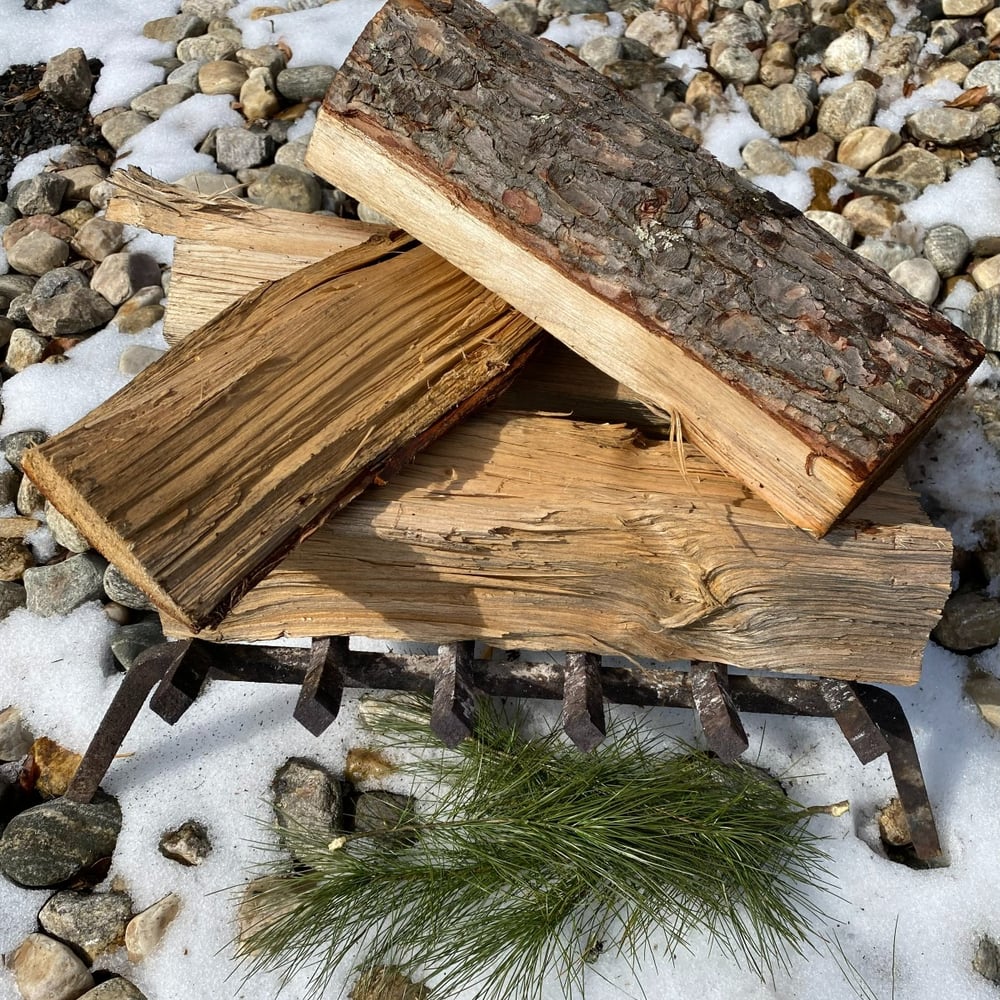
A great fire starts long before the first match is struck. It starts with dry, properly stacked firewood that has enough airflow, sun exposure, and time to season the right way. For homeowners preparing for cold Connecticut nights, knowing how to stack firewood can make the difference between a clean, hot burn and a smoky, frustrating fire.
At Thrive Farm, we help homeowners in Simsbury, Farmington Valley, and nearby Connecticut communities get reliable firewood without the guesswork. Whether you are stacking your own supply or choosing our ready-to-use seasoned firewood, the right preparation helps every log burn cleaner, hotter, and longer.
Why Proper Firewood Stacking Matters
Fresh-cut wood holds a lot of moisture. When wet or green wood goes into a fireplace, wood stove, firepit, or chiminea, much of the fire’s energy is wasted boiling off water instead of producing heat. That leads to more smoke, harder starts, lower heat output, and more creosote buildup.
The best way to stack firewood is to create a setup that allows air to move through the pile while keeping the wood off wet ground. Good stacking helps:
- Reduce rot and mold
- Speed up drying time
- Improve burn quality
- Keep insects and pests away from the home
- Make firewood easier to access during winter
- Protect your investment in quality wood
For homeowners who do not want to wait months for wood to dry, our firewood makes it easy to order seasoned hardwood for indoor burning and seasoned softwood for outdoor use.
How Long Does Firewood Take to Season?
One of the most common questions homeowners ask is, how long does firewood take to season? In general, firewood should season for at least 6 months, but the actual drying time depends on wood species, split size, weather, airflow, sun exposure, and how the wood is stacked.
Dense hardwoods often need more time than softwoods. Large unsplit rounds can take much longer because moisture escapes slowly from the center. Split wood dries faster because more surface area is exposed to moving air.
For the best burn, firewood should feel lighter than green wood, show visible cracks on the ends, sound hollow when knocked together, and produce less smoke when burned. A moisture meter is the most accurate way to check readiness.
Step 1: Choose the Right Firewood Location
Before stacking, pick a location that helps the wood dry naturally. The best spot is open, sunny, and breezy. Avoid low areas where water collects after rain or snowmelt.
A good firewood storage area should have:
- Direct sunlight for part of the day
- Good airflow on multiple sides
- Stable, level ground
- Easy access during winter
- Distance from the home, garage, or shed
- Protection from heavy roof runoff
Do not stack firewood directly against the house. While it may seem convenient, woodpiles can attract insects and trap moisture near siding, foundations, and trim.
Step 2: Keep Firewood Off the Ground
The ground holds moisture, especially during Connecticut’s wet fall and snowy winter seasons. If wood sits directly on soil, the bottom layer can absorb moisture, grow mold, and rot before it is ever burned.
Use a firewood rack, pallets, pressure-treated runners, concrete blocks, or landscape timbers to lift the stack several inches off the ground. This allows air to move underneath the pile and helps keep the bottom row dry.
At Thrive Farm, we know how important proper material handling is, whether homeowners are ordering firewood, mulch in Simsbury, compost, lawnsoil, or wood chips. Dry storage and clean delivery make a big difference in performance.
Step 3: Split Logs Before Stacking
Split firewood dries faster than whole logs. When wood is split, moisture can escape through the exposed interior grain. Smaller splits are also easier to carry, stack, and fit into fireplaces or wood stoves.
For indoor burning, Thrive Farm’s seasoned hardwood is cut in approximately 16 to 18 inch lengths and split to a manageable size, making it practical for fireplaces and woodstoves.
If seasoning your own wood, split it before stacking whenever possible. Waiting to split logs later slows the drying process and can extend seasoning time by months.
Step 4: Stack Firewood in a Single Row When Possible
A single-row stack is one of the easiest and most effective ways to season firewood. It exposes more wood surface area to sun and wind, which helps moisture leave the logs faster.
To stack a single row:
- Place the first row on a raised base.
- Keep the cut ends facing outward.
- Stack logs with small gaps between pieces.
- Avoid packing the wood too tightly.
- Keep the stack straight and stable.
If space is limited, a double row can work, but leave room between rows so air can still move through the pile.
Step 5: Use the Crisscross Method for Stability
The crisscross method works well at the ends of a firewood stack. Instead of using posts, stack the end logs in alternating directions, similar to a log cabin pattern. This creates stable towers that help hold the middle rows in place.
This method is useful when stacking along a fence line, near a rack, or in an open yard. It also improves airflow around the ends of the pile, where wood often dries faster.
Step 6: Cover the Top, Not the Sides
Firewood needs protection from rain and snow, but it also needs airflow. Covering the entire pile with a tarp can trap moisture inside and slow the seasoning process.
The best approach is to cover only the top of the stack. Leave the sides open so air can circulate. A metal roof panel, firewood rack cover, or tarp secured only across the top can work well.
During heavy snow or rain, check the cover to make sure water is not pooling. A slight angle helps shed water away from the wood.
Step 7: Rotate Older Wood to the Front
Good firewood management works like pantry storage. Use the oldest wood first and place newer wood behind it. This keeps your supply organized and prevents older logs from sitting too long.
A simple system helps:
- Stack new wood in a separate row
- Label rows by season if needed
- Pull from the driest stack first
- Keep kindling and smaller splits near the front
- Restock before cold weather arrives
Homeowners who do not want to manage long seasoning cycles can save time by ordering seasoned firewood directly from Thrive Farm.
Seasoned Firewood vs. Green Firewood
Green firewood is freshly cut wood that still contains high moisture. It may be cheaper, but it needs months of proper stacking and drying before it performs well.
Seasoned firewood has already gone through the drying process, making it a better choice for homeowners who want a cleaner, easier burn.
Green Firewood
Green wood may be useful for homeowners who plan far ahead and have room to stack and season it. It costs less upfront, but it requires time, space, and proper storage.
Seasoned Firewood
Seasoned wood is the convenient option for homeowners who want firewood that is already prepared for better burning. Thrive Farm offers seasoned hardwood for indoor burning and seasoned softwood for outdoor burning, firepits, chimineas, and outdoor fireplaces.
Buying from Thrive Farm saves months of waiting time and helps homeowners avoid the frustration of wet, smoky wood.
Best Firewood for Indoor Burning
For fireplaces and wood stoves, hardwood is usually the preferred choice because it burns longer and produces steady heat. Thrive Farm’s indoor firewood is made from 100% native hardwood species, seasoned, cut to approximately 16 to 18 inches, and split to manageable size.
Indoor firewood is ideal for:
- Fireplaces
- Wood stoves
- Indoor heating
- Long-lasting winter fires
- Cleaner, hotter burns
Best Firewood for Outdoor Burning
Outdoor fires often call for a different type of wood. Thrive Farm’s seasoned softwood is a strong choice for firepits, chimneas, and outdoor fireplaces.
Outdoor firewood is ideal for:
- Backyard firepits
- Patio fireplaces
- Chimineas
- Casual gatherings
- Campfire-style burns
Whether relaxing outside in Simsbury, Avon, Canton, Granby, or nearby areas, the right firewood makes the experience easier and more enjoyable.
Local Firewood Delivery in the Farmington Valley
Thrive Farm serves homeowners across Simsbury and surrounding Connecticut towns with quality earth products and firewood delivery. We are a local producer and retailer, which gives us strong control over product quality from start to finish.
Our delivery areas include Simsbury, East Granby, Granby, Windsor Locks, West Granby, Canton, Avon, North Granby, Hartland, Windsor, Suffield, Bloomfield, Barkhamsted, New Hartford, Farmington, Burlington, and nearby communities.
Quick Firewood Stacking Checklist
Use this checklist before winter:
- Stack firewood off the ground
- Choose a sunny, breezy location
- Split logs before stacking
- Keep rows loose enough for airflow
- Cover the top only
- Leave the sides open
- Keep wood away from the house
- Rotate older wood forward
- Use seasoned hardwood for indoor burning
- Order early before winter demand increases
The Hassle-Free Alternative: Buy Seasoned Firewood from Thrive Farm
Learning how to stack firewood is valuable, but not every homeowner has the space or time to season wood for months. That is where Thrive Farm makes the process easier.
Our seasoned firewood helps homeowners skip the waiting period and get dependable wood for fireplaces, woodstoves, outdoor fireplaces, firepits, and chimineas. Instead of worrying about moisture, storage, and drying time, homeowners can order locally and prepare for winter with confidence.
For quality firewood in Simsbury and nearby Connecticut communities, visit our Firewood Simsbury CT page or browse more local earth products from Thrive Farm.
FAQs About Stacking and Seasoning Firewood
What is the best way to stack firewood?
The best way to stack firewood is to keep it off the ground, place it in a sunny and breezy area, stack it loosely for airflow, and cover only the top. This helps the wood dry faster and reduces the risk of rot.
How long does firewood take to season?
Firewood usually takes at least 6 months to season, but dense hardwoods can take longer depending on the species, split size, weather, and storage conditions.
Should firewood be covered while seasoning?
Yes, but only the top should be covered. Leaving the sides open allows airflow to move through the stack, which helps moisture escape.
Is seasoned firewood better than green firewood?
Seasoned firewood is better for immediate use because it burns hotter, starts easier, creates less smoke, and produces a cleaner fire than green wood.
Can firewood be stacked against the house?
It is better not to stack firewood against the house. Keeping the pile away from the home improves airflow and helps reduce moisture and pest concerns.
Does split firewood season faster?
Yes. Split firewood seasons faster than whole logs because the exposed interior allows moisture to escape more easily.
Where can homeowners buy seasoned firewood near Simsbury CT?
Homeowners can order seasoned hardwood and seasoned softwood from Thrive Farm in Simsbury, CT, with delivery available to the Farmington Valley and surrounding areas.