
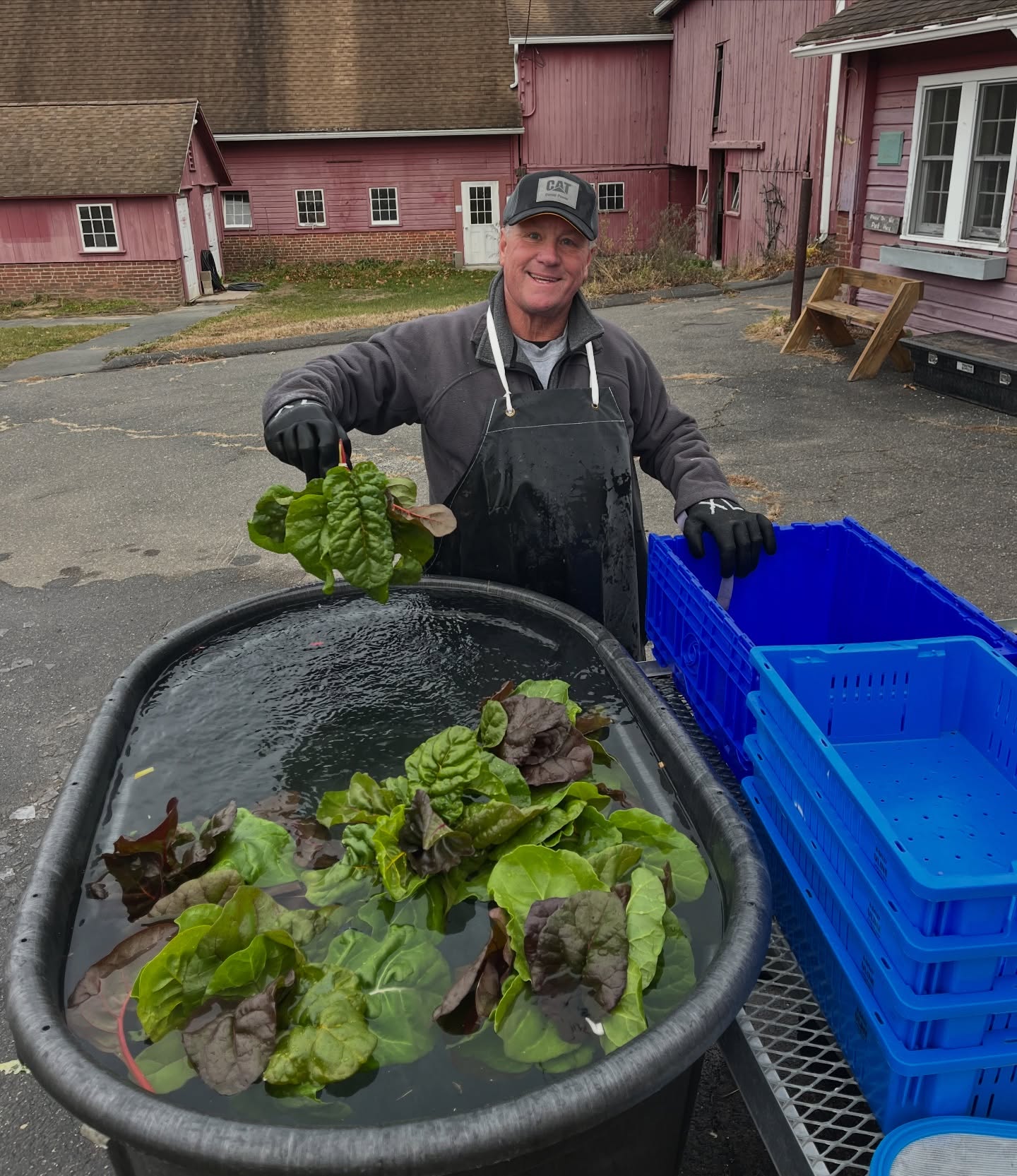
Many people believe that you need several acres of land to achieve any level of food independence. However, with strategic planning and high-intensity growing techniques, a 1,000 square foot space is more than enough to supplement a family’s diet significantly. At Thrive Farm, we focus on maximizing every inch of available soil to create high-yield, regenerative ecosystems.
If you are working with a standard suburban backyard or a small urban lot, understanding the potential of a small-scale homestead is the first step toward self-sufficiency.
Calculating the Potential Yield
In a 1,000 square foot area, your harvest is limited only by your management style. By using methods like succession planting and vertical trellising, a small space can produce hundreds of pounds of fresh produce annually.
For instance, a single well-managed raised bed can produce enough leafy greens, root vegetables, and herbs to drastically reduce your weekly grocery bill. When you utilize the smart layering method to fill those beds, you ensure that the soil has the structural integrity and nutrient density required to support such intensive growth.
Strategic Layout for Maximum Efficiency
To get the most out of a 1,000 square foot homestead, you must move away from traditional row gardening. Instead, consider these high-output strategies:
- Vertical Growing: Utilize cattle panels or A-frame trellises for vining crops like cucumbers, pole beans, and squash to save ground space.
- Intensive Spacing: Plant crops in “blocks” rather than rows to shade out weeds and maintain soil moisture.
- Intercropping: Grow fast-maturing crops like radishes in the shadows of slower-growing plants like peppers.
By focusing on these techniques, your small homestead becomes a dense “food forest” rather than a sparse garden. This approach not only increases yield but also improves soil health by keeping the ground covered and protected from erosion.
Nutrient Density over Quantity
On a small homestead, the goal isn’t just to grow a high volume of food but to grow the highest quality food possible. Regenerative practices ensure that the vegetables you harvest are packed with the vitamins and minerals often missing from store-bought produce.
When you build “living soil” through composting and natural amendments, you are investing in the long-term health of your family. A small, 1,000 square foot space managed with regenerative principles will often outperform a much larger garden that relies on synthetic fertilizers and tilling.
Starting Your Small-Scale Journey
Transitioning to a homesteading lifestyle does not require a massive life overhaul. It starts with a single bed and a commitment to learning the language of your land. Whether you are aiming to grow 20% of your own food or 80%, the principles of density and soil vitality remain the same.
At Thrive Farm, we are here to provide the blueprints and insights you need to turn your yard into a productive sanctuary.
Ready to see what your land is capable of? Explore our latest guides on sustainable gardening and start building your 1,000 square foot homestead today.