
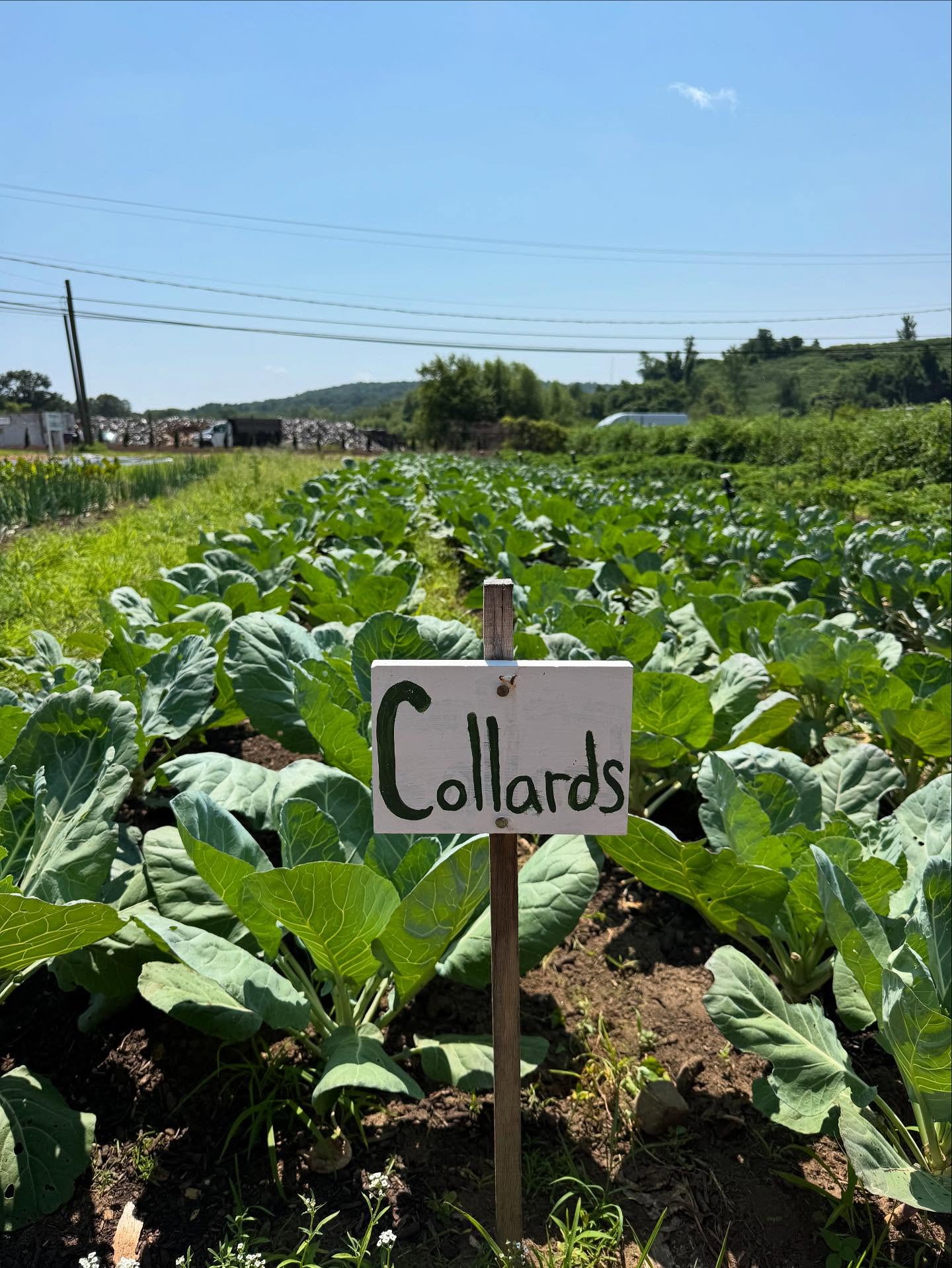
Gardening success in Connecticut depends on timing. Every month brings new opportunities to improve soil, protect plants, and prepare for the next phase of the growing season. Whether you are tending vegetable beds, refreshing flower borders, or improving your lawn, knowing what to do and what to buy each month helps you stay ahead of seasonal changes and get better results.
At Thrive Farm, we help Simsbury homeowners and gardeners choose the right products at the right time, from compost and mulch to soil builders and seasonal amendments. This Simsbury garden calendar gives you a month-by-month guide to keeping your landscape productive and healthy all year long.
January: Plan and Prepare for Spring
January is the perfect month to assess last year’s garden and prepare for the upcoming season.
What to Do:
- Review garden performance from the previous year
- Plan new planting areas
- Order seeds for spring crops
- Test soil if needed
What to Buy:
- Soil test kits
- Seed starting supplies
- Compost planning materials
Winter planning helps you avoid delays once spring arrives. If your soil needs improvement, explore organic amendments available from Thrive Farm before the planting season begins.
February: Start Soil Preparation Indoors
Late winter is ideal for preparing the foundation for spring planting.
What to Do:
- Start seeds indoors
- Plan raised bed improvements
- Prepare composting materials
What to Buy:
- Compost
- Seed trays
- Soil builders
Adding compost and soil builders early helps ensure your garden beds are ready when the weather warms.
March: Prepare Beds for Planting
As the soil begins to thaw, March is the time to begin outdoor bed preparation.
What to Do:
- Clear winter debris
- Loosen compacted soil
- Add compost to garden beds
What to Buy:
- Compost
- Organic soil amendments
- Raised bed soil
Healthy soil leads to stronger plants. Adding compost now helps improve structure, drainage, and fertility before planting begins.
April: Plant Cool-Season Crops
April is the start of active planting season in Simsbury.
What to Do:
- Plant cool-weather vegetables
- Prepare flower beds
- Top dress garden beds with compost
What to Buy:
- Compost
- Garden soil
- Mulch for pathways
Top dressing with compost improves nutrient availability and supports stronger root growth early in the season.
May: Mulch and Feed Your Garden
As temperatures rise, protecting the soil becomes essential.
What to Do:
- Mulch around vegetables and flowers
- Fertilize planting beds
- Monitor moisture levels
What to Buy:
- Mulch
- Compost
- Organic fertilizers
Mulch helps suppress weeds and retain moisture, while compost continues improving soil health.
June: Support Summer Growth
June is all about maintaining healthy growth and managing water.
What to Do:
- Water deeply
- Side-dress vegetables with compost
- Refresh mulch layers
What to Buy:
- Compost
- Mulch
- Soil conditioners
Adding compost mid-season provides a nutrient boost while helping the soil retain moisture during warmer weather.
July: Protect Soil During Heat
Summer heat can stress plants and dry out soil quickly.
What to Do:
- Check mulch depth
- Monitor irrigation
- Add compost around heavy feeders
What to Buy:
Healthy soil and proper mulch help reduce heat stress and keep roots cooler during July’s hottest days.
August: Rebuild and Refresh Beds
As summer crops mature, August is a good time to restore soil in harvested areas.
What to Do:
- Remove spent plants
- Add compost to empty beds
- Prepare for fall planting
What to Buy:
- Compost
- Soil builders
- Fall planting soil
Replenishing nutrients now prepares beds for cool-season crops and improves soil for next year.
September: Plant Fall Crops and Improve Soil
Cooler weather makes September ideal for both planting and soil improvement.
What to Do:
- Plant fall vegetables
- Amend beds with compost
- Mulch newly planted areas
What to Buy:
- Compost
- Mulch
- Organic soil amendments
Fall compost applications help rebuild soil after the heavy demands of summer.
October: Prepare Garden Beds for Winter
October is the month to protect soil and prepare beds for dormancy.
What to Do:
- Remove plant debris
- Add compost to beds
- Mulch exposed soil
What to Buy:
- Compost
- Mulch
- Cover crop seed
Leaving beds bare through winter leads to erosion and nutrient loss. Compost and mulch help protect soil structure until spring.
November: Build Soil for Next Year
Late fall is one of the best times to build better soil for spring planting.
What to Do:
- Add organic matter to garden beds
- Mulch around perennials
- Protect exposed soil
What to Buy:
- Compost
- Mulch
- Soil builders
Adding organic material in November allows it to begin breaking down over winter, improving fertility naturally.
December: Evaluate and Restock
December is a good time to review what worked and prepare for the next growing season.
What to Do:
- Review soil performance
- Plan improvements
- Restock garden essentials
What to Buy:
- Compost for future use
- Mulch planning materials
- Soil improvement products
Planning ahead helps you begin spring with the right products ready to go.
Why a Garden Calendar Matters
Gardening month by month keeps your landscape healthier by making sure each task happens at the ideal time.
A seasonal schedule helps:
- Improve soil fertility
- Increase plant health
- Reduce weeds
- Retain moisture
- Boost yields
With the right timing and the right products, homeowners in Simsbury can create healthier, more productive gardens throughout the year.
Grow Better with Thrive Farm
A successful garden is built one season at a time. Knowing what to do and what to buy each month makes it easier to improve soil, protect plants, and get better results year after year.
This Simsbury garden calendar gives homeowners a practical guide for managing their gardens through every season.
For premium compost, mulch, and soil products that support healthy gardens in every month, visit Thrive Farm and find the right materials to help your garden thrive all year long.