
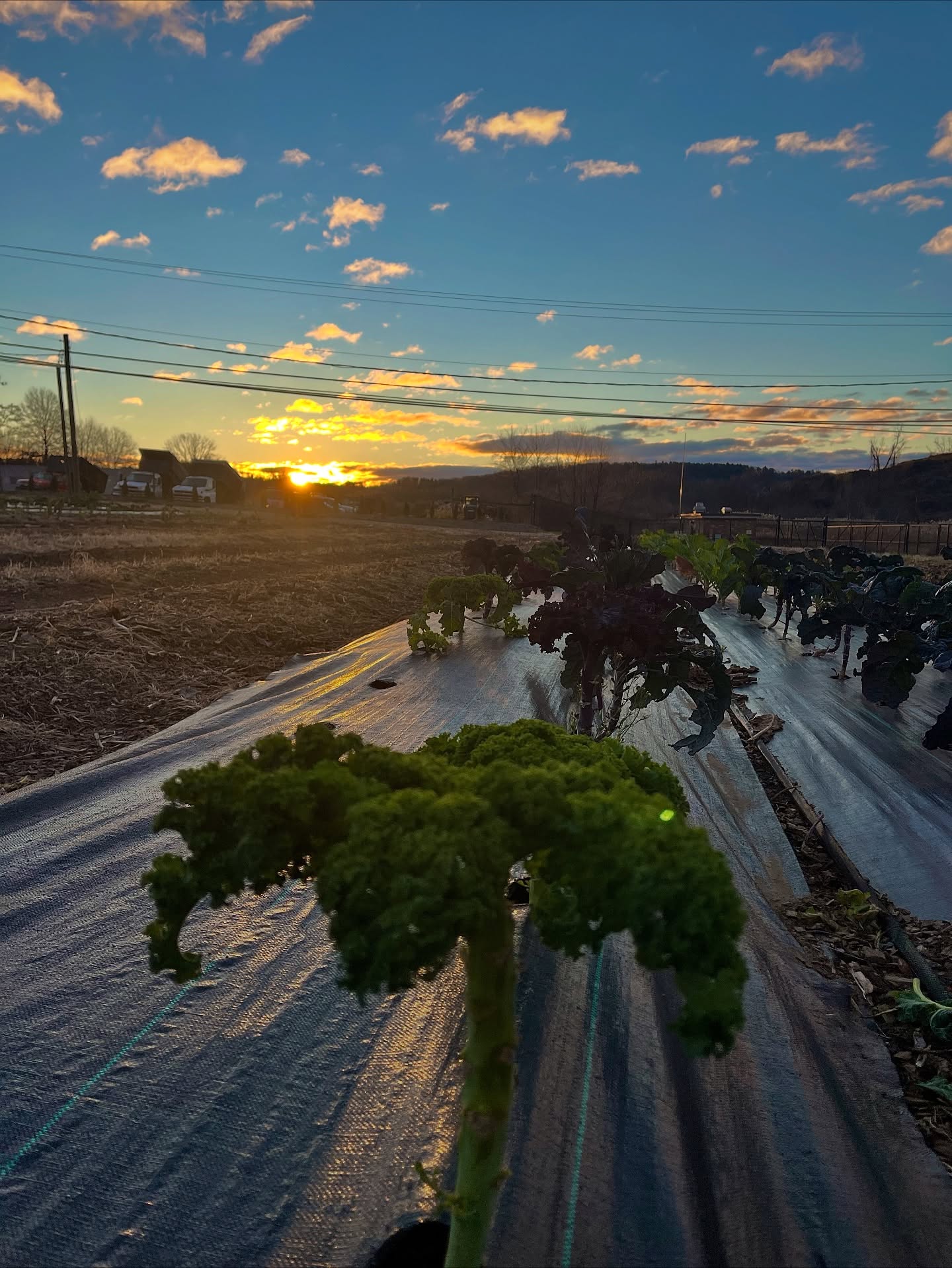
We believe that the path to a healthier lifestyle starts right in your own backyard, patio, or community garden plot. Whether you are looking to save on grocery bills, reduce your carbon footprint, or simply experience the unparalleled joy of harvesting fresh vegetables, herbs, and fruits at their peak ripeness, you have come to the right place.
Growing your own food is one of the most rewarding ways to achieve self-sufficiency, improve your health, and connect with the natural world. At Thrive Farm, we provide the tools, expertise, and high-quality resources to turn your home into a productive, thriving edible landscape—regardless of your current experience level.
Let’s explore how you can cultivate a bountiful harvest and transform your relationship with the food on your plate.
1. Evaluate Your Sunlight and Space
Most vegetables require at least 6 to 8 hours of direct sunlight daily. Before planting, observe your space throughout the day.
- Full Sun: Necessary for “fruiting” plants like tomatoes, peppers, and squash.
- Partial Shade: Ideal for leafy greens (lettuce, spinach) and root vegetables (carrots, radishes). If you are limited on space, explore vertical gardening solutions to maximize your square footage.
2. Choose Your Growing Method
The right “home” for your plants depends on your soil quality and physical accessibility.
- In-Ground Beds: The traditional choice, perfect for large areas with good native soil.
- Raised Beds: Great for controlling soil quality and reducing back strain.
- Container Gardening: The best option for patios, balconies, or renters. Check out our premium raised beds to get started with a professional setup.
3. Focus on Soil Health
Your garden is only as good as its foundation. Homegrown food pulls its nutrients directly from the earth, so investing in high-quality organic matter is non-negotiable. We recommend a mix of topsoil, nutrient-rich compost, and peat moss to ensure proper drainage and aeration.
4. Start with “High-Success” Crops
If you are a first-time gardener, start with plants that are hardy and provide a high yield.
- Herbs: Basil, mint, and rosemary are nearly indestructible and provide instant flavor.
- Leafy Greens: Lettuce grows quickly and can be harvested multiple times.
- Zucchini: One or two plants can feed a family for the entire summer. For the best results, source organic heirloom seeds that are acclimated to your local climate.
5. Establish a Watering Schedule
Consistency is the secret to sweet, non-bitter vegetables. Most food crops prefer deep, infrequent watering rather than light daily sprinkles. This encourages roots to grow deep into the soil. Consider installing a simple drip irrigation system to automate the process and conserve water.
6. Natural Pest Management
Growing food at home means you can skip the toxic pesticides. Encourage biodiversity by planting flowers like marigolds or nasturtiums alongside your vegetables to attract beneficial insects that prey on garden pests.
Why Choose Thrive Farm?
At Thrive Farm, we provide the tools, seeds, and expertise to help you transition from a grocery store consumer to a home producer. From soil amendments to automated watering, we are here to ensure your first harvest is a bountiful one.
Ready to plant your first seed? Start growing your future today.