
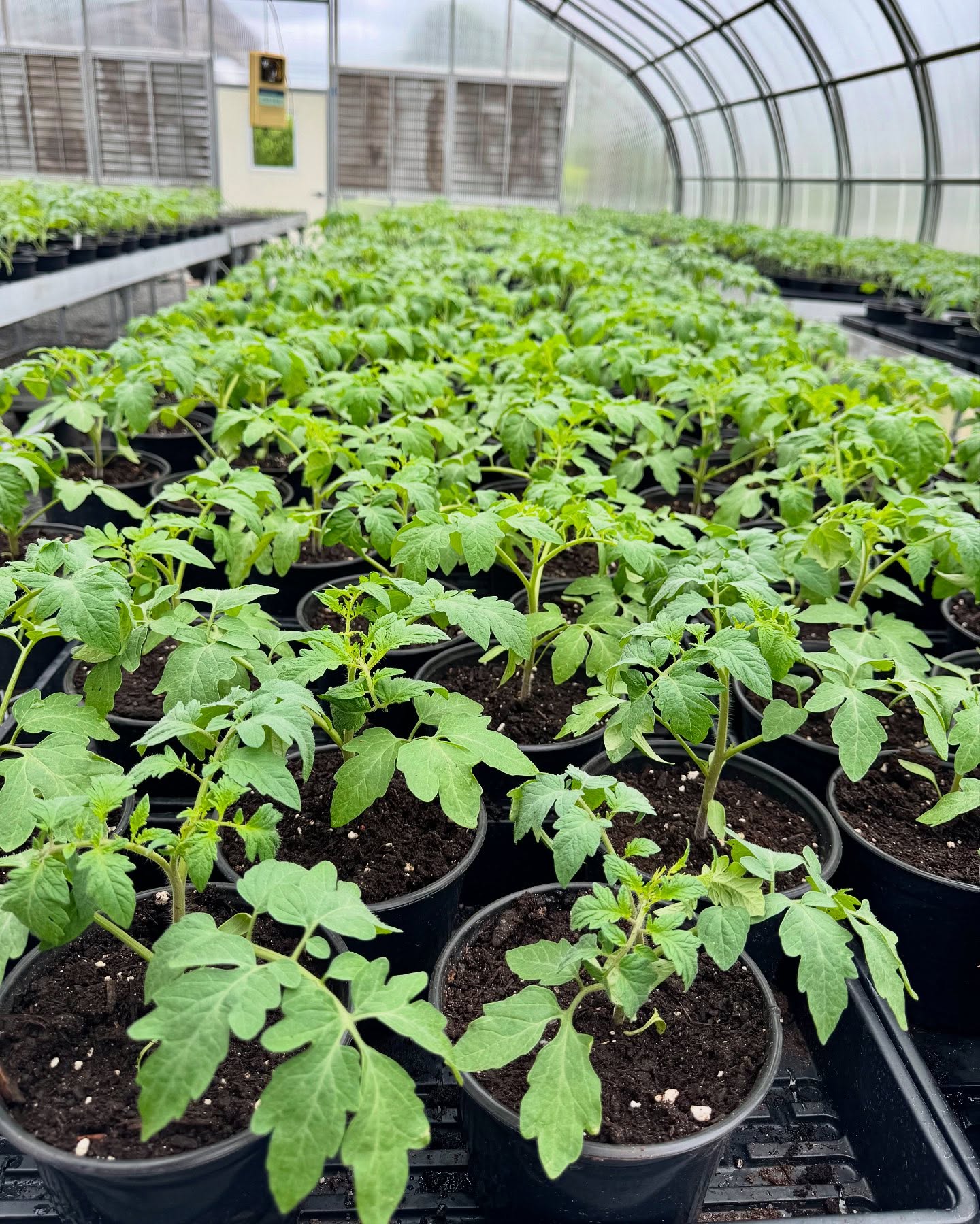
When it comes to growing strong, productive tomato plants, most gardeners focus on fertilizers. Quick results, fast growth, and visible green leaves often come from synthetic inputs. But what happens when you compare that approach to regenerative soil built with compost?
The results may surprise you.
In this trial, we look at how a “Spicy Compost” soil approach compares to synthetic fertilizer when growing tomatoes. The goal is simple: determine which method produces healthier plants, better yields, and stronger soil over time.
At Thrive Farm, we focus on building living soil systems that support long-term plant health, not just short-term growth. This side-by-side comparison highlights why compost-driven soil management continues to outperform synthetic solutions.
What Is “Spicy Compost”?
“Spicy compost” refers to biologically active, nutrient-rich compost that is full of microbial life and organic matter. It is not just decomposed material. It is a living system that feeds the soil as much as it feeds the plant.
This type of compost typically contains:
- Diverse organic inputs
- Active microbial populations
- Balanced carbon-to-nitrogen ratios
- Slow-release nutrients
Instead of forcing rapid plant growth, it builds a healthy soil ecosystem that supports plants naturally.
At Thrive Farm, our compost products are designed to improve soil biology, structure, and long-term fertility.
The Trial Setup: Compost vs. Synthetic Fertilizer
To compare results, tomato plants were grown under two conditions:
Plot A: Regenerative Soil with Spicy Compost
- Soil amended with high-quality compost
- No synthetic fertilizers
- Focus on soil biology and organic matter
Plot B: Synthetic Fertilizer Program
- Standard garden soil
- Regular application of synthetic nutrients
- No compost or soil-building inputs
Both plots received equal sunlight and watering conditions to ensure a fair comparison.
Early Growth: Fast vs. Balanced
In the early stages, the synthetic fertilizer plot showed faster visible growth.
Plants appeared:
- Taller early on
- Bright green in color
- Rapid leaf development
However, the compost-grown plants developed differently:
- Slightly slower initial growth
- Thicker stems
- Deeper root development
While synthetic fertilizer pushed quick top growth, the spicy compost soil focused on building strength from the roots up.
Root Development Tells the Real Story
Healthy roots are the foundation of productive tomato plants.
When comparing root systems:
Compost-Grown Plants:
- Deeper root penetration
- More branching root systems
- Better soil integration
Synthetic-Fed Plants:
- Shallower roots
- Less structural strength
- More dependence on external feeding
This difference becomes critical as the season progresses, especially during heat or inconsistent watering.
Stronger roots allow plants to access water and nutrients more effectively, leading to better long-term performance.
Mid-Season Performance: Stability vs. Dependency
As the growing season continued, differences became more noticeable.
Compost Plot:
- Consistent growth
- Strong stems
- Balanced foliage
- Less visible stress
Synthetic Plot:
- Growth slowed without constant feeding
- Signs of nutrient fluctuation
- Increased sensitivity to watering changes
Synthetic fertilizer requires ongoing input to maintain performance. Without it, plants often struggle to sustain growth.
In contrast, regenerative soil systems continue feeding plants naturally through microbial activity and organic matter breakdown.
Yield Comparison: Quality Over Quantity
At harvest time, both plots produced tomatoes, but the quality and consistency differed.
Compost-Grown Tomatoes:
- More consistent fruit size
- Better flavor development
- Stronger plant structure
- Continued production over time
Synthetic-Grown Tomatoes:
- Early production spikes
- Less consistent sizing
- Faster decline in productivity
While synthetic fertilizer can produce quick early yields, compost-grown plants often outperform over the full season.
This is because the soil continues to support the plant instead of relying on repeated external inputs.
Soil Health After the Trial
One of the biggest differences appeared after the growing season ended.
Compost Soil:
- Improved texture
- Higher organic matter content
- Better moisture retention
- Active microbial life
Synthetic Soil:
- Depleted structure
- Lower organic content
- Reduced biological activity
Synthetic fertilizers feed the plant, but compost feeds the soil.
Over time, this difference becomes more significant with each growing season.
At Thrive Farm, we emphasize soil-building strategies that improve performance year after year.
Why Regenerative Soil Wins Long-Term
The “Spicy Compost” approach focuses on creating a self-sustaining system.
Benefits include:
- Improved soil structure
- Better water retention
- Stronger root systems
- Reduced need for chemical inputs
- Long-term fertility
Instead of chasing plant growth with fertilizers, regenerative soil builds the conditions plants need to thrive naturally.
This leads to healthier plants, better yields, and more resilient gardens.
The Hidden Cost of Synthetic Fertilizer
While synthetic fertilizers can deliver quick results, they often come with hidden drawbacks:
- Ongoing input costs
- Soil degradation over time
- Increased watering needs
- Reduced microbial activity
Over multiple seasons, these factors can lead to declining soil performance and higher maintenance requirements.
Compost-based systems, on the other hand, improve with time.
Build Better Soil with Thrive Farm
This tomato trial highlights a clear takeaway: healthy soil produces healthier plants.
While synthetic fertilizers may offer fast early growth, regenerative soil built with compost delivers stronger roots, better yields, and long-term soil health.
At Thrive Farm, we provide high-quality compost and soil-building products that help gardeners create productive, resilient growing environments.
Visit Thrive Farm today to explore compost solutions that bring your soil to life and help your garden thrive season after season.