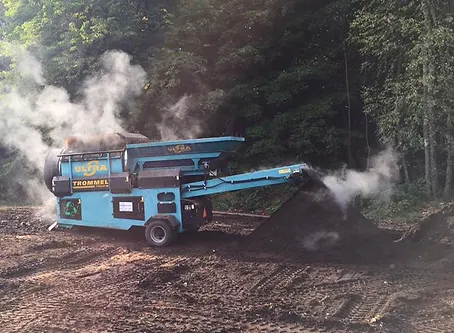
If you’ve ever spent good money on bags of store-bought soil—only to end up with weak plants, poor drainage, or disappointing growth—you’re not alone. Many homeowners and gardeners are discovering that big-box soil products often fail, especially in New England conditions.
At Thrive Farm, we hear this all the time: “Why doesn’t my garden thrive, even with ‘premium’ soil?”
The answer usually comes down to where the soil comes from—and what’s actually in it.
The Biggest Problems With Store-Bought Soil
1. It’s Built for Shipping, Not Growing
Most bagged soils are engineered to be:
- Lightweight
- Cheap to transport
- Shelf-stable for long periods
That often means excessive filler materials like peat moss, wood fines, or bark dust—materials that look rich at first but break down quickly and collapse.
2. Nutrients Are Minimal (or Already Depleted)
Many store-bought soils contain only a small initial nutrient charge. Once watered a few times, those nutrients wash out, leaving plants hungry.
This leads to:
- Yellowing leaves
- Weak root systems
- Constant need for chemical fertilizers
3. Poor Drainage or Water Retention
Bagged soil often drains too fast or too slowly, depending on the blend. In Connecticut’s climate, that can mean:
- Root rot after heavy rain
- Dried-out soil during summer heat
Healthy soil needs balance—not extremes.
4. No Connection to Local Soil Conditions
Store-bought soil is mass-produced for the entire country. It’s not designed for:
- New England clay
- Seasonal freeze-thaw cycles
- Local microbial life
What Local Soil Does Better (And Why It Matters)
1. Built for Connecticut Growing Conditions
Local soil products from Thrive Farm are blended specifically for New England landscapes and gardens. That means better performance through wet springs, hot summers, and cool fall planting.
2. Real Organic Matter That Improves Over Time
Unlike filler-heavy bagged soil, local soil contains true organic material that:
- Improves soil structure
- Feeds beneficial microbes
- Gets better each growing season
Our Spicy Compost, for example, enriches soil naturally—without relying on synthetic additives.
3. Better Root Development and Plant Health
Healthy soil isn’t just about nutrients—it’s about structure. Local soil allows roots to:
- Spread easily
- Access oxygen
- Retain consistent moisture
This results in stronger plants, deeper roots, and higher yields.
4. No Mystery Ingredients
When you buy local, you know what you’re getting. Thrive Farm soil products are:
- Locally sourced
- Carefully blended
- Free of unnecessary fillers
No surprises. Just soil that works.
Store-Bought Soil vs Local Soil: The Real Comparison
| Feature | Store-Bought Soil | Thrive Farm Local Soil |
|---|---|---|
| Nutrient longevity | Short-term | Long-lasting |
| Drainage balance | Inconsistent | Optimized |
| Local adaptation | None | Built for CT |
| Organic content | Minimal | Rich & active |
| Long-term results | Declines | Improves |
When Store-Bought Soil Might Be “Good Enough”
To be fair, bagged soil can work for:
- Small houseplants
- Temporary containers
- Short-term projects
But for:
- Lawns
- Gardens
- Raised beds
- Landscaping
Local soil consistently outperforms it.
Why Thrive Farm Soil Helps Your Landscape Thrive
At Thrive Farm, we don’t just sell soil—we build the foundation for healthy landscapes. Whether you’re repairing a lawn, planting a garden, or installing raised beds, our products are designed to work with nature, not against it.
Stop Fighting Your Soil
If you’re constantly fertilizing, replanting, or wondering why your garden struggles, the problem may not be your plants—it may be your soil.
Local soil performs better because it’s made for where you live.
And when soil works, everything else gets easier.
Order local soil or compost from Thrive Farm today and give your landscape what it actually needs.