Blog

Best Grass Seed for Connecticut Lawns: Fescue, Ryegrass & Kentucky Bluegrass Compared

Best Grass Seed for Connecticut Lawns: Fescue, Ryegrass & Kentucky Bluegrass Compared

The best grass seed for Connecticut depends on sunlight, soil, moisture, traffic, and maintenance. Turf-type tall fescue stands out for drought tolerance and durability, fine fescues perform well in shade and lower-maintenance areas, perennial ryegrass establishes quickly, and Kentucky bluegrass creates dense turf when sun, water, and fertility are adequate. Match the seed to the […]

How to Level a Bumpy Lawn with Topsoil: Step-by-Step DIY Guide

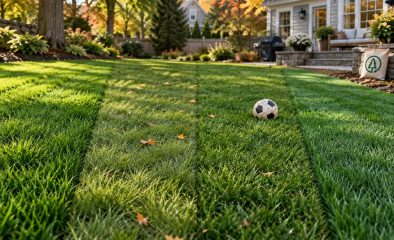
To level a bumpy lawn, we start by identifying low spots, mowing the grass shorter than normal, loosening compacted areas, and spreading a thin layer of screened lawnsoil or a compatible lawn leveling soil mix. For established grass, shallow applications work best because the grass blades need to remain exposed. Deeper depressions should be filled […]

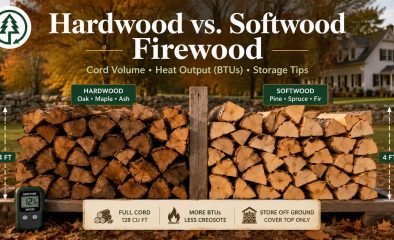
Creosote Buildup Prevention: How to Test Firewood Moisture and Burn Safely

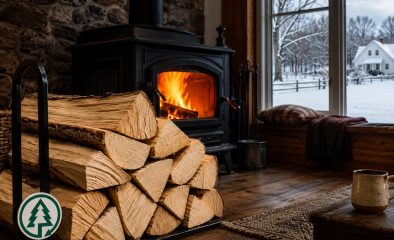
The best way to reduce creosote buildup in a chimney is to burn properly dried firewood, maintain strong combustion, avoid smoldering fires, and have the chimney inspected regularly. At Thrive Farm, we recommend checking firewood with a firewood moisture meter before bringing it to the stove or fireplace. The U.S. EPA recommends wood at 20% […]

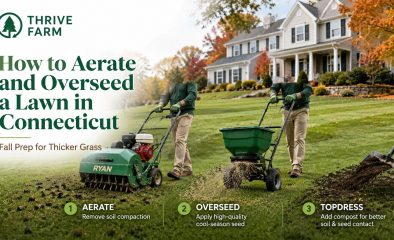
How to Aerate and Overseed a Lawn in Connecticut: Fall Prep for Thicker Grass

For Connecticut lawns, the best window for aeration and overseeding is generally from mid-August through mid-September. Core aerate first, spread a cool-season grass seed suited to the lawn, add a light layer of quality lawnsoil or compost blend where needed, then keep the seedbed consistently moist while new grass establishes. UConn recommends August 15 through […]

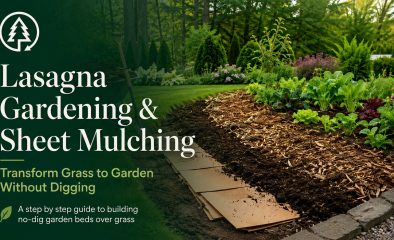
Lasagna Gardening & Sheet Mulching: Transform Grass to Garden Without Digging

Sheet mulching grass, also called lasagna gardening, turns lawn into a new garden bed by layering plain cardboard over short-cut turf, wetting it down, then covering it with compost, aged mulch, leaves, and wood chips. The cardboard blocks light, the green nitrogen layer feeds soil biology, and the brown mulch layer smothers weeds while slowly […]

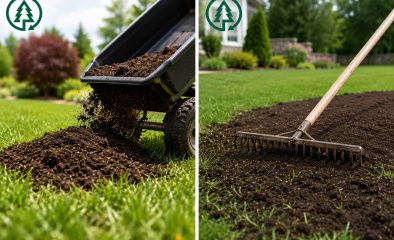
Topdressing Lawns with Compost vs. Topsoil: How to Fix Bare & Bumpy Grass

Topsoil is best for adding bulk and correcting shallow low spots, while compost is best for adding organic matter, supporting soil organisms, and improving moisture and nutrient management. For most patchy or mildly uneven lawns, we recommend a thin layer of 50/50 Compost Lawnsoil Mix because it combines the structure of screened lawnsoil with the […]